
416-409-6607
Mon–Fri 8 AM – 5 PM
Request a Quote 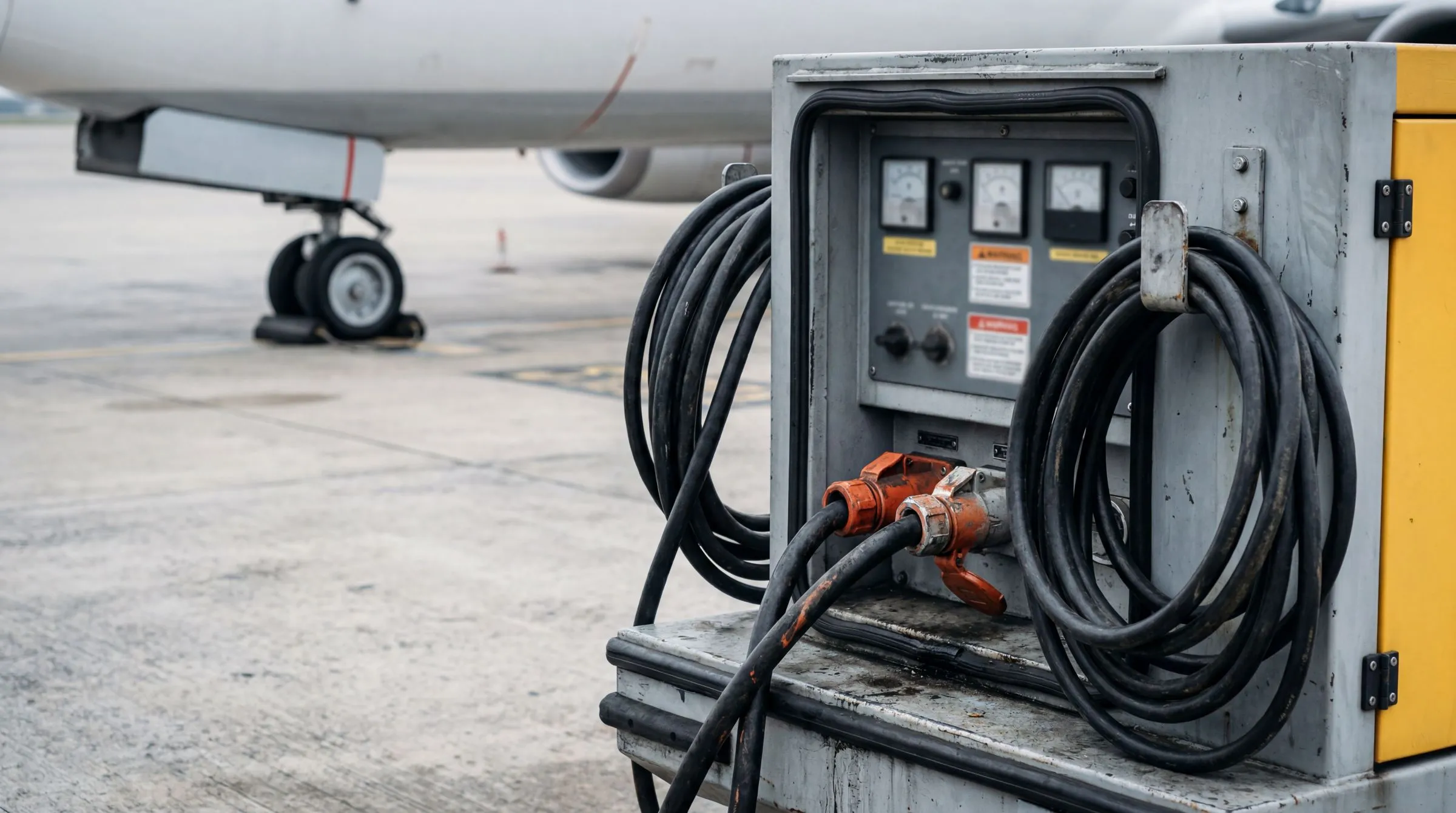
Aviation & Airport Consulting
Outside electrical consulting for airport authorities, ground handlers, and aviation engineering firms responsible for maintaining or upgrading aircraft support systems.
Background
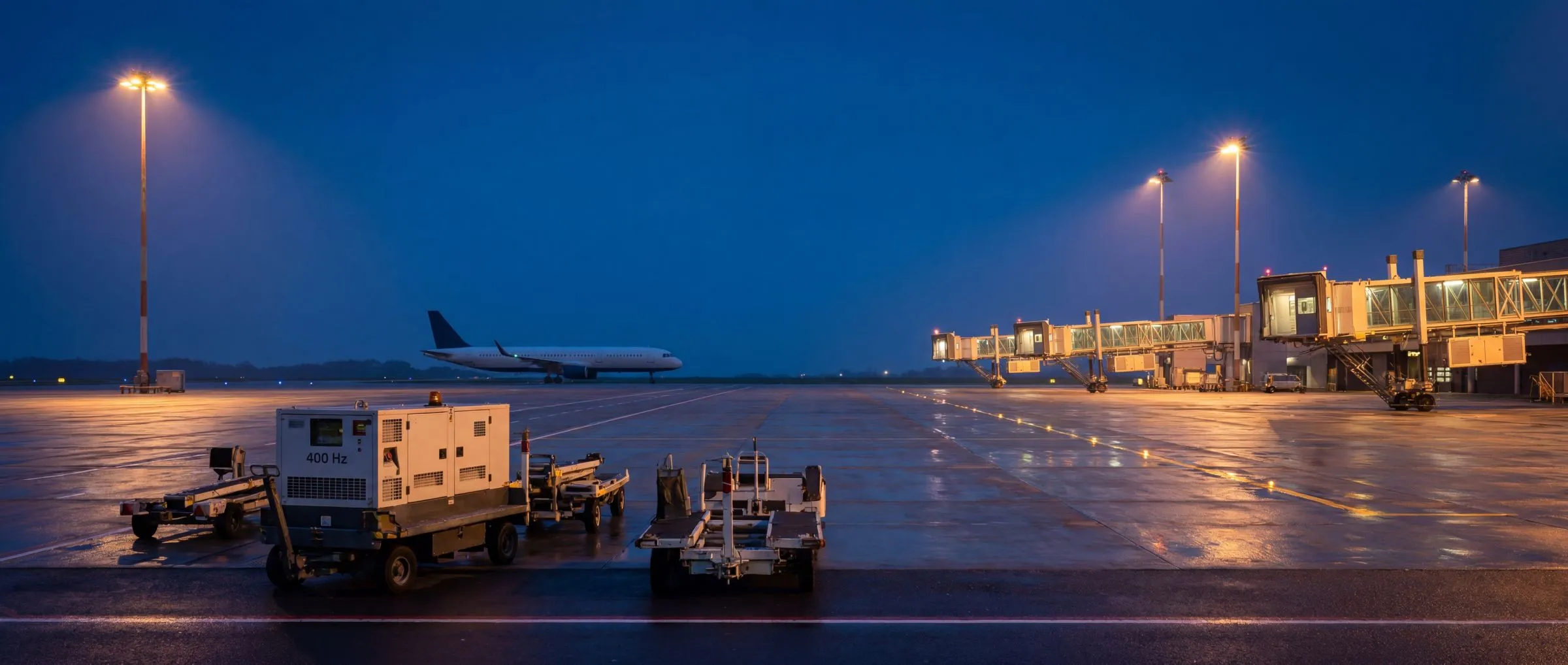
At Toronto Pearson, I owned the asset management plan for 112 Passenger Boarding Bridges — annual maintenance scheduling, reliability budgeting, financial planning, and lifecycle decisions across 112 Passenger Boarding Bridges. Alongside the bridges ran the rest of the aircraft support program: 400 Hz ground power, pre-conditioned air, visual docking guidance, the potable water electrical infrastructure, and the substations behind it all.
Over three decades I grew the aircraft support electrical team from sixteen tradesmen to forty, much of it through structured apprenticeship recruitment. PowerSurge Electric & Consulting brings that depth to airport operators, ground handlers, and aviation engineering firms who need an outside perspective — second-opinion engineering, a maintenance program review, or hands-on guidance on a specific system.
Capabilities
Six areas where decades of hands-on operations translate directly to outside engagements.
Design review, asset management and maintenance program development, electrical reliability audits. Drawn from owning the asset plan for 112 PBBs at Toronto Pearson.
Consulting on 400 Hz and 28 VDC ground power infrastructure — from individual gate installations to fleet-wide reliability and lifecycle planning.
Electrical design review, retrofit guidance, and troubleshooting for PCA units serving gate operations.
Installation oversight, electrical commissioning, and integration review for gate-side guidance systems.
Long-range electrical asset planning for the airfield side — capital plan inputs, reliability budgeting, and end-of-life decisions.
Outside engineering review on electrical scopes, vendor proposals, or in-flight projects where an independent technical perspective adds value.
How I Work
Most engagements follow this rhythm. The depth at each step depends on the scope and what you already have in hand.
01
Start with a conversation about the system, the failure modes, and the operational constraints. No site visit needed to scope an initial engagement.
02
Site walk, design and as-built review, interviews with maintenance staff. Document what is in place and where the risk concentrates.
03
Written findings with prioritized actions, cost ranges where applicable, and a plan you can hand to procurement or your engineering firm.
Initial scoping conversations are free.